
Preservation Education
Color Change | What to Expect from your Pressed Florals
Your color palette might be one of the most important visual features of your wedding day. Understanding how flowers naturally transform during preservation helps you appreciate the unique beauty of your preserved bouquet.
Your color palette might be, single-handedly, one of the most important visual features of your wedding day. These colors are included in every aspect of your celebration, from the bridesmaid dresses to the table space, and especially in your bridal bouquet.
So when you get your bouquet preserved, the question begs, will your flowers retain their original color?
The answer to that question lies in the color theme of your bouquet. More often than not, flowers will change color depending on their natural pigmentation.
It's important to remember that each flower is unique and may press differently based on the specific variety of flowers your florist chooses. Regardless of color change, the sentiment behind your once-in-a-lifetime bouquet remains the same.
We've received thousands of bouquets and pressed hundreds of thousands of flowers, for us to proudly provide this color change guide for the most common wedding flowers.
As a General Rule of Thumb
Bright & Rich Pigments
Will remain the same (think bright orange ranunculus or purple snapdragons).
Pastel-Themed
Bouquets will become, well, more pastel (peachy blooms will become a lighter peach, with more of the underlying yellow coming through).
All White
Bouquets will take on a more antiqued, golden look.
Most Dramatic Color Transformations
Drag the slider to compare fresh flowers with their pressed versions
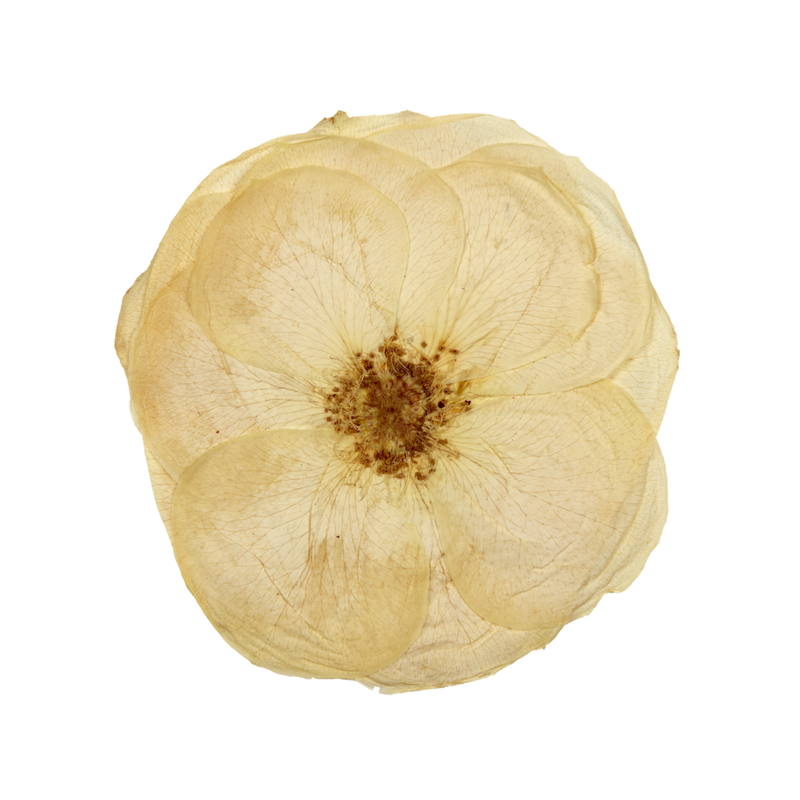
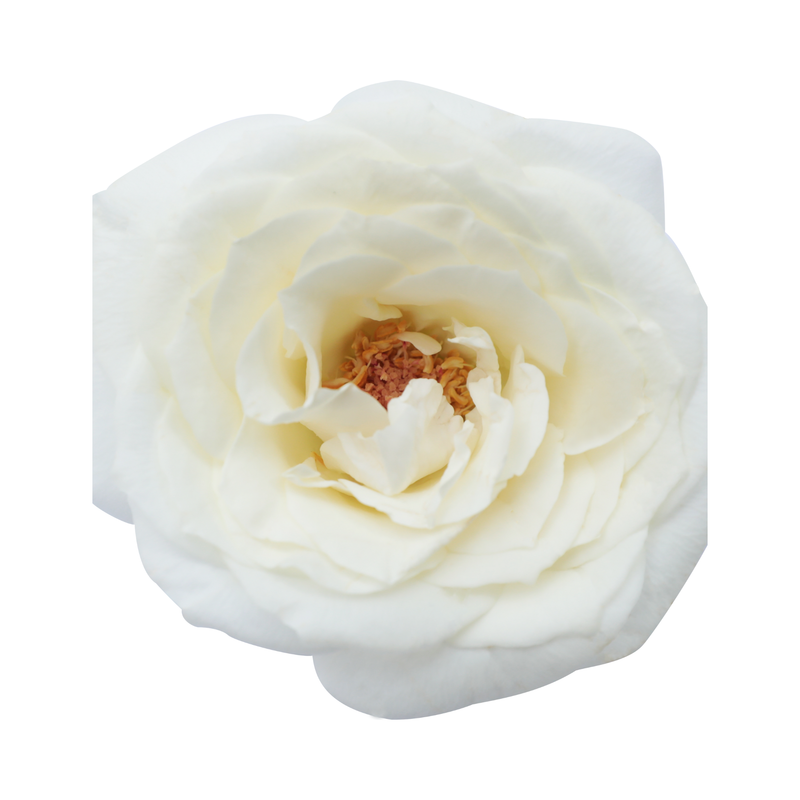
White Roses
Quicksand (Dusty Pink) Roses
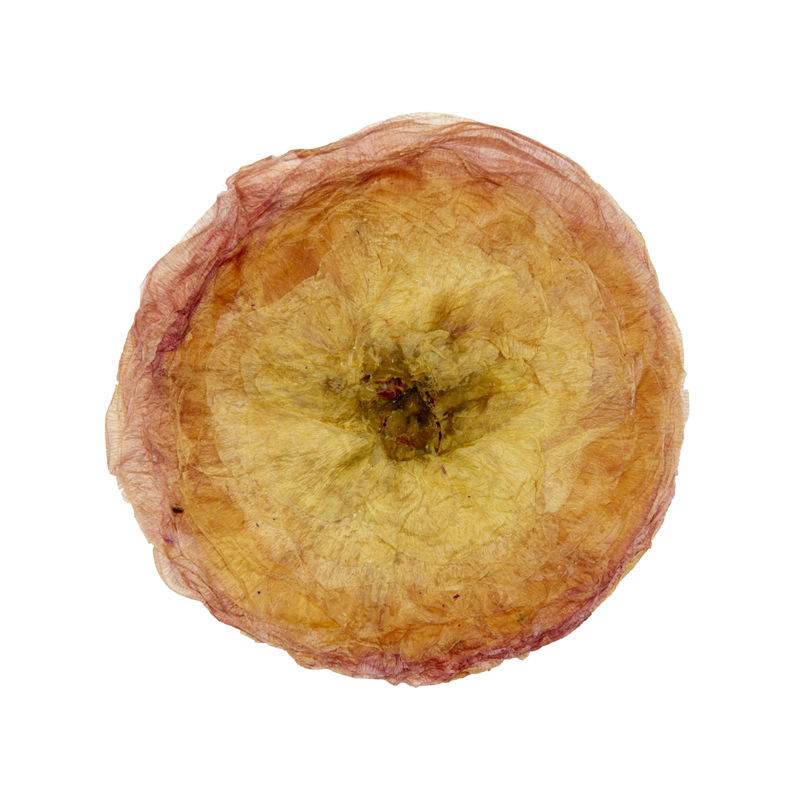
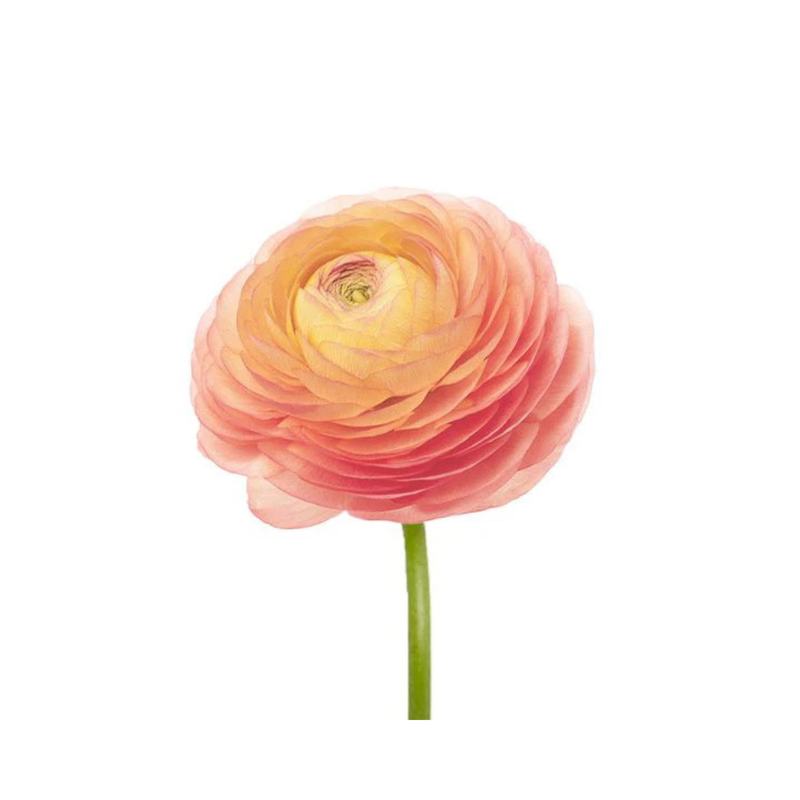
Peach Ranunculus
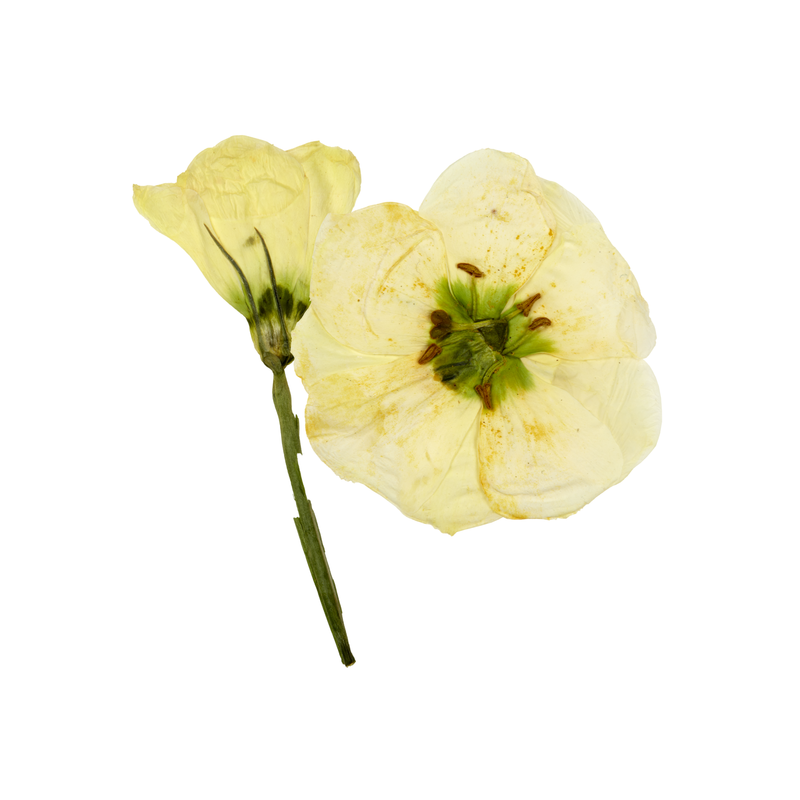
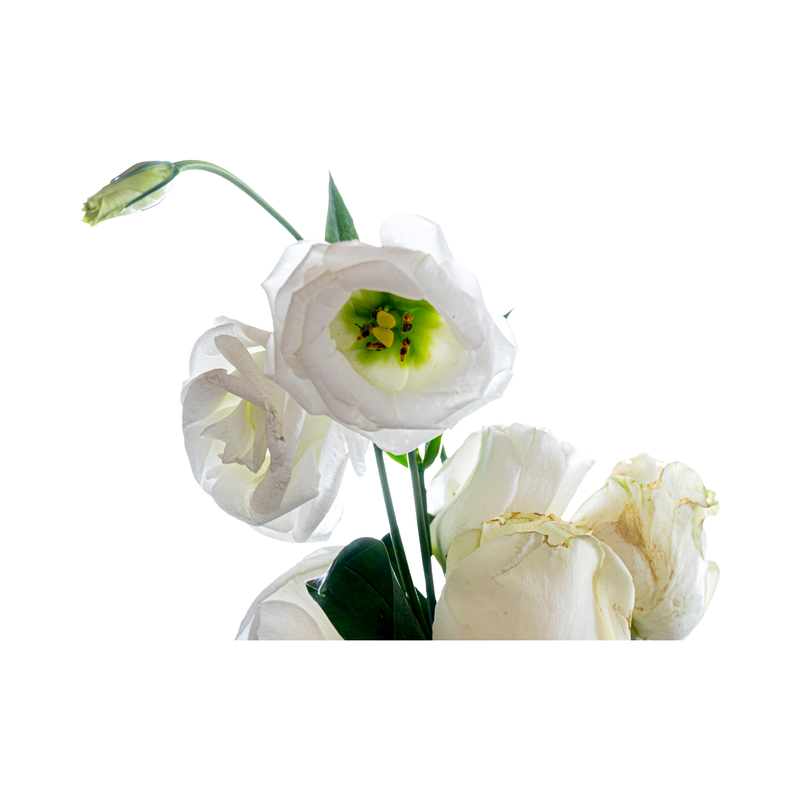
White Lisianthus
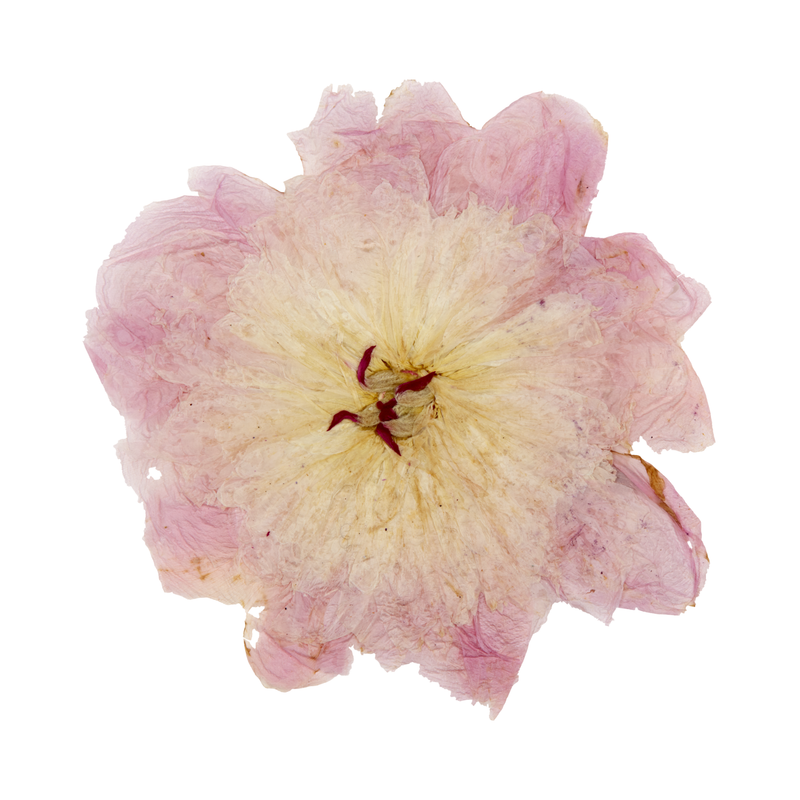
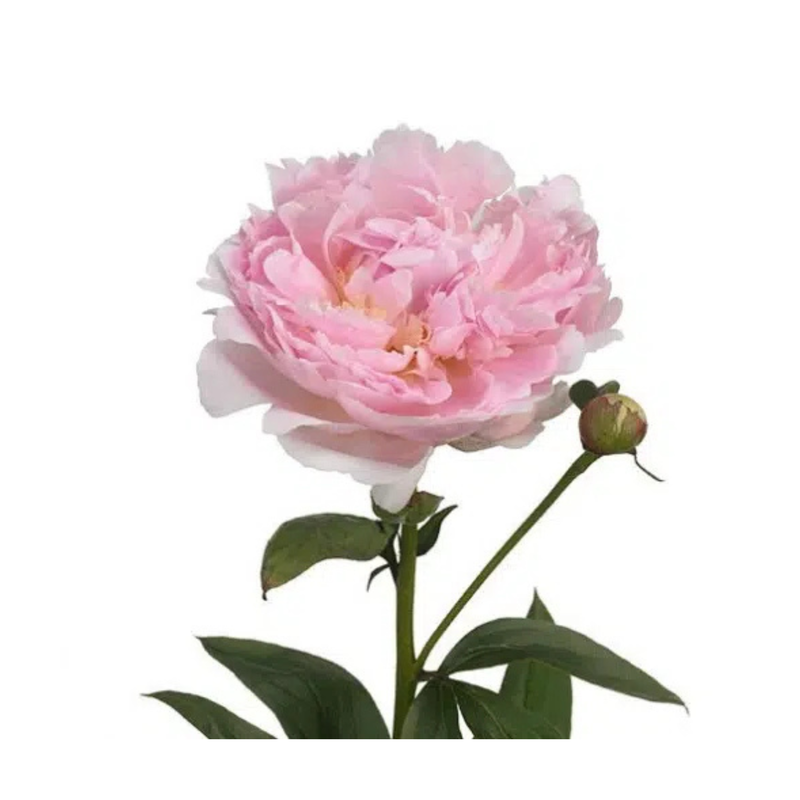
Light Pink Peony
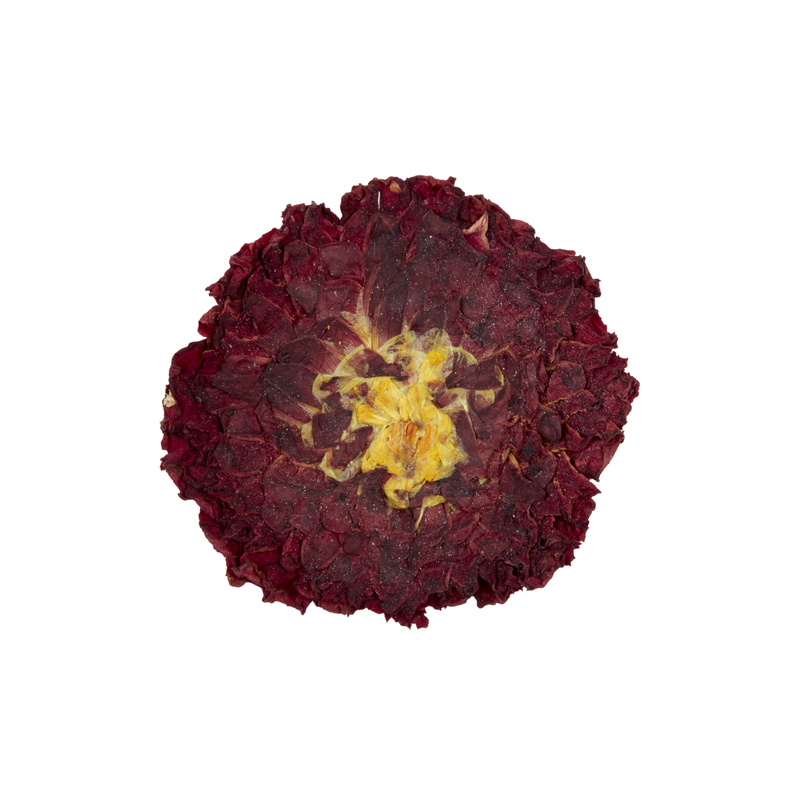
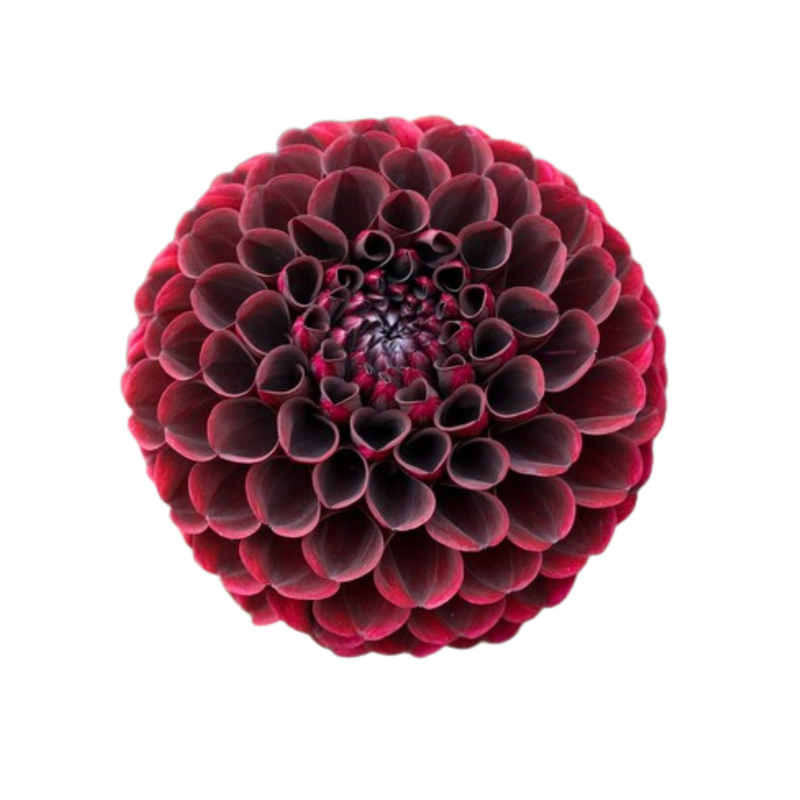
Burgendy Pom Pom Dahlia
Pressed Roses
White Roses
Turn a creamy blonde with a soft, antiqued look. They pair beautifully against a colored backing (like olive) to make the whites pop.
Red Roses
Deepen into dark burgundy or dramatic violet tones, depending on the variety.
Peach Roses
The yellow undertones come forward as the deeper orange and pink tones soften.
Light Pink Roses
Fade the most over time, sometimes to nearly white, with a little color held at the petal tips.
Orange Roses
Yellow undertones are pulled forward, so the pressed bloom can look even brighter than it did fresh.
Toffee Roses
Press to a rich, deep golden with hints of purple in the center.
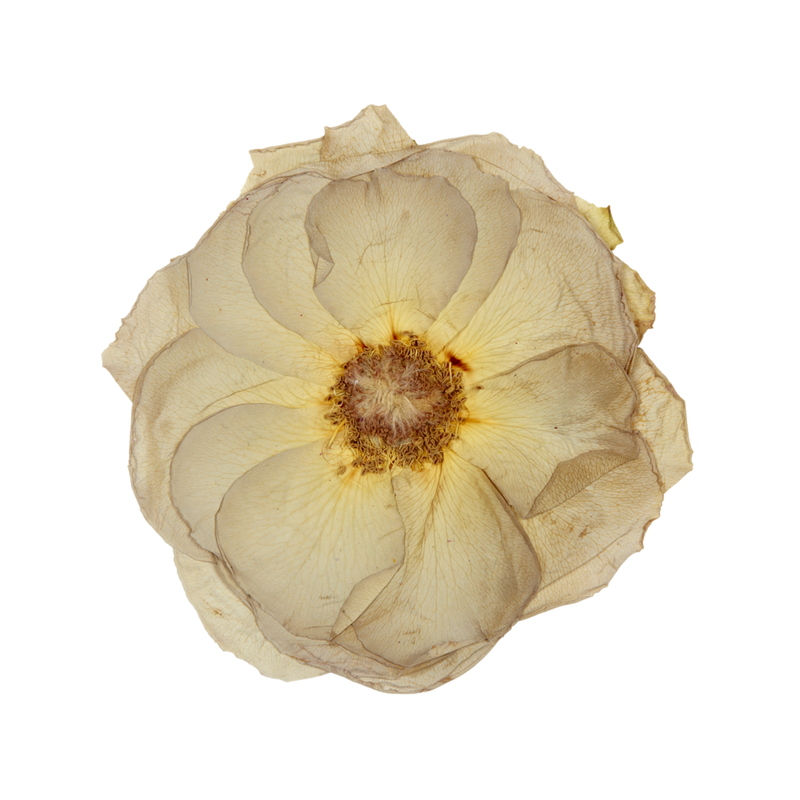
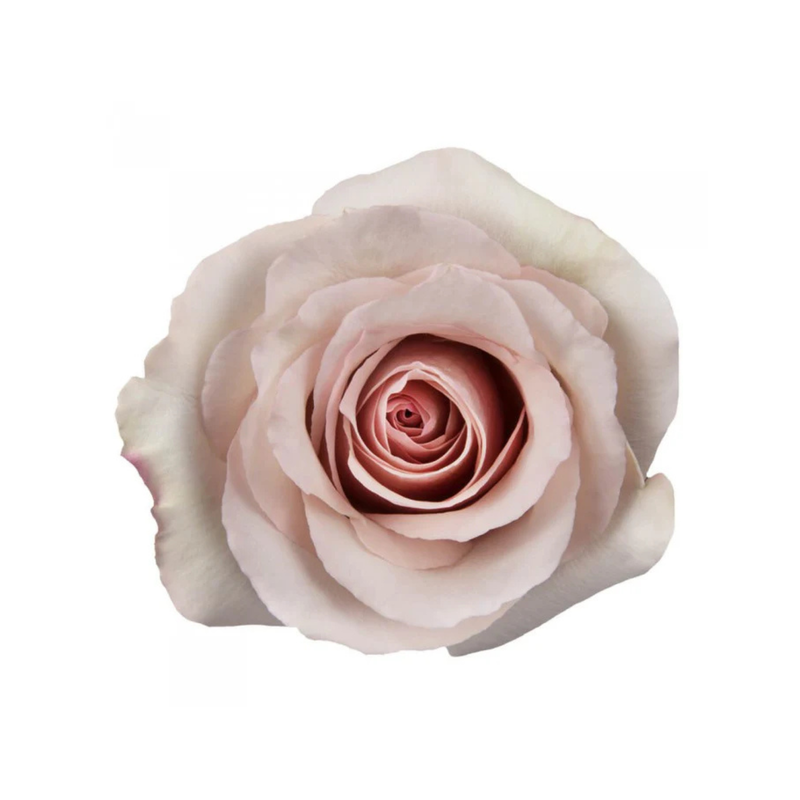
Quicksand Roses
The biggest transformation of all, shifting from soft blush into the gray family — from deep bluish gray, to soft gray with pink undertones, to a green-yellow gray.
Pressed Ranunculus
White Ranunculus
Become blonde-toned or a soft, buttery yellow, depending on the variety.
Pastel Ranunculus
Soften into a slightly paler version of their fresh color.
Red Ranunculus
Deepen into a stunning, rich maroon.
Pressed Stock Flower
White Stock
Press to an antiqued blonde and commonly darken a little after pressing.
Pink Stock
The pigment deepens, turning more violet or picking up warm orange undertones.
Pressed Lisianthus
White Lisianthus
Shift to a buttery, golden-hued bloom. When pressed sideways, the green stem pigment blends in.
Blue & Purple Lisianthus
Lighter shades show green undertones while darker shades deepen further; lavender becomes a light blue with a hint of green.
Pink Lisianthus
Yellow undertones become pronounced, and darker pinks hold their color better than lighter shades.
Pressed Calla Lilies
White Calla Lilies
Read more yellow than their fresh counterparts while keeping their signature shape.
Pressed Dahlias
White Dahlias
Take on a soft, antiqued look as they age.
Orange Dahlias
The red tones fade to reveal brighter, more sunshine-hued petals.
Red Dahlias
Deepen into a darker burgundy, with the yellow center becoming more visible.
The Beauty of Nature
While this is not an exhaustive list of flowers that experience color change, we hope this guide helps you in knowing what to expect from your pressed flowers! Each flower has its own unique characteristics and may preserve differently than what it looked like fresh. That is the beauty of flowers: they are from the earth, not a factory - meaning that each and every one is unique in their own special way.